Booking choice: The surface walking tour, from $12 per person. Check dates Tour details
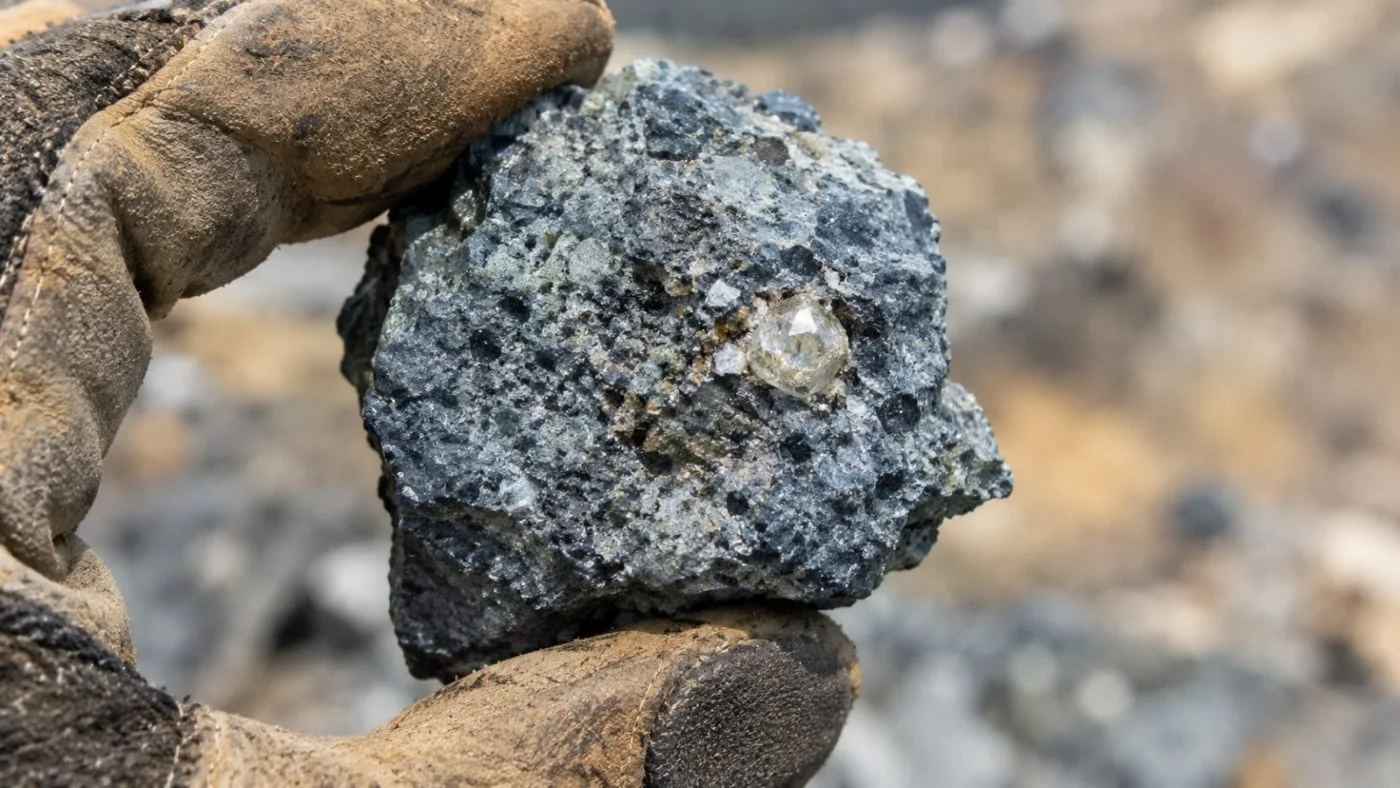
GIA calls the Cullinan mine, the old Premier Mine, the locality that has yielded more significant diamonds than any other. It has produced more than 750 stones over 100 carats and over a quarter of all the world's diamonds above 400 carats (source).
Here is the roll of honour, with what each stone weighed, who owns it where that is public, and the questions people ask most about big diamonds.
The quick answer
The list starts with the 3,106-carat Cullinan (1905) and runs through the Niarchos (1954), the Taylor-Burton (1966), the Premier Rose (1978), the Golden Jubilee (1985, cut to 545.67 carats), the Centenary (1986, cut to 273.85 carats, colour D) and a 507-carat white in 2009. Then come the blues: a 39.34-carat stone sold for US$40.18 million in 2021, and a 41.82-carat blue found in December 2025.
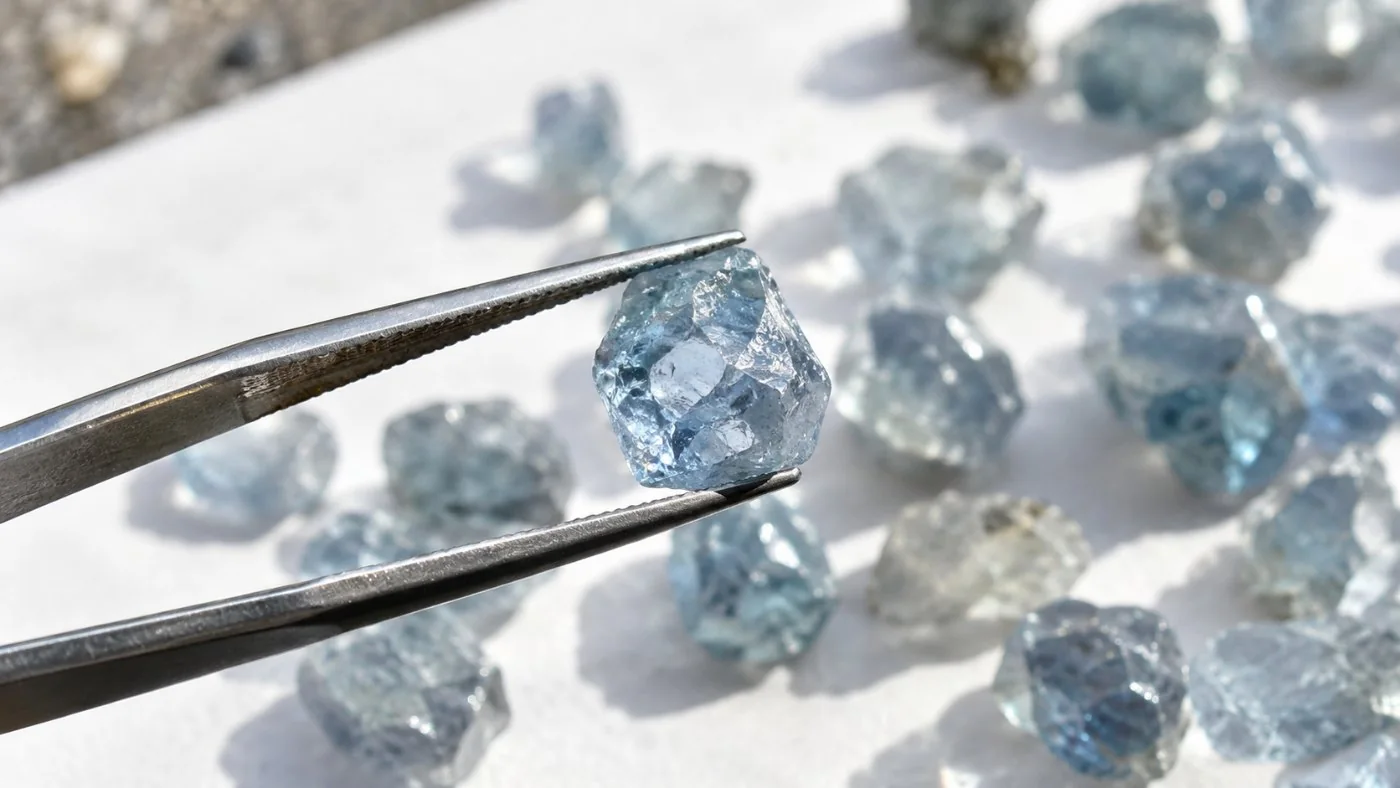
Which famous diamonds came from the Cullinan mine?
The Cullinan, the Niarchos, the Taylor-Burton, the Premier Rose, the Golden Jubilee, the Centenary, the 507-carat stone of 2009 and a string of blue diamonds.
Weights and owners from Wikipedia's Premier Mine page, the individual stone articles linked below, and Petra:
| Diamond | Found | Rough | Cut | Where or who today |
|---|---|---|---|---|
| Cullinan | 1905 | 3,106 ct | 9 major stones, I is 530.2 ct | Crown Jewels and the Royal Family |
| Niarchos | 1954 | 426.5 ct | About 128 ct pear | Not public |
| Taylor-Burton | 1966 | 241 ct | 69.42 ct pear, recut to 68 ct | Robert Mouawad |
| Premier Rose | 1978 | 353.9 ct | 137.02 ct | Robert Mouawad |
| Golden Jubilee | 1985 | 755.5 ct | 545.67 ct, yellow-brown | Grand Palace, Bangkok |
| Centenary | 1986 | 599 ct | 273.85 ct, colour D | Not public |
| 507 ct white | 2009 | 507 ct | Sold rough for US$35.3m | Not public |
| 39.34 ct blue | 2021 | 39.34 ct | Sold rough for US$40.18m | De Beers and Diacore partnership |
| 41.82 ct blue | 2025 | 41.82 ct | To be cut in South Africa | Sold by tender, price confidential |
The 2009 stone is often called the Cullinan Heritage online. We could not confirm the name, so we leave it unnamed.
What is the biggest diamond ever found?
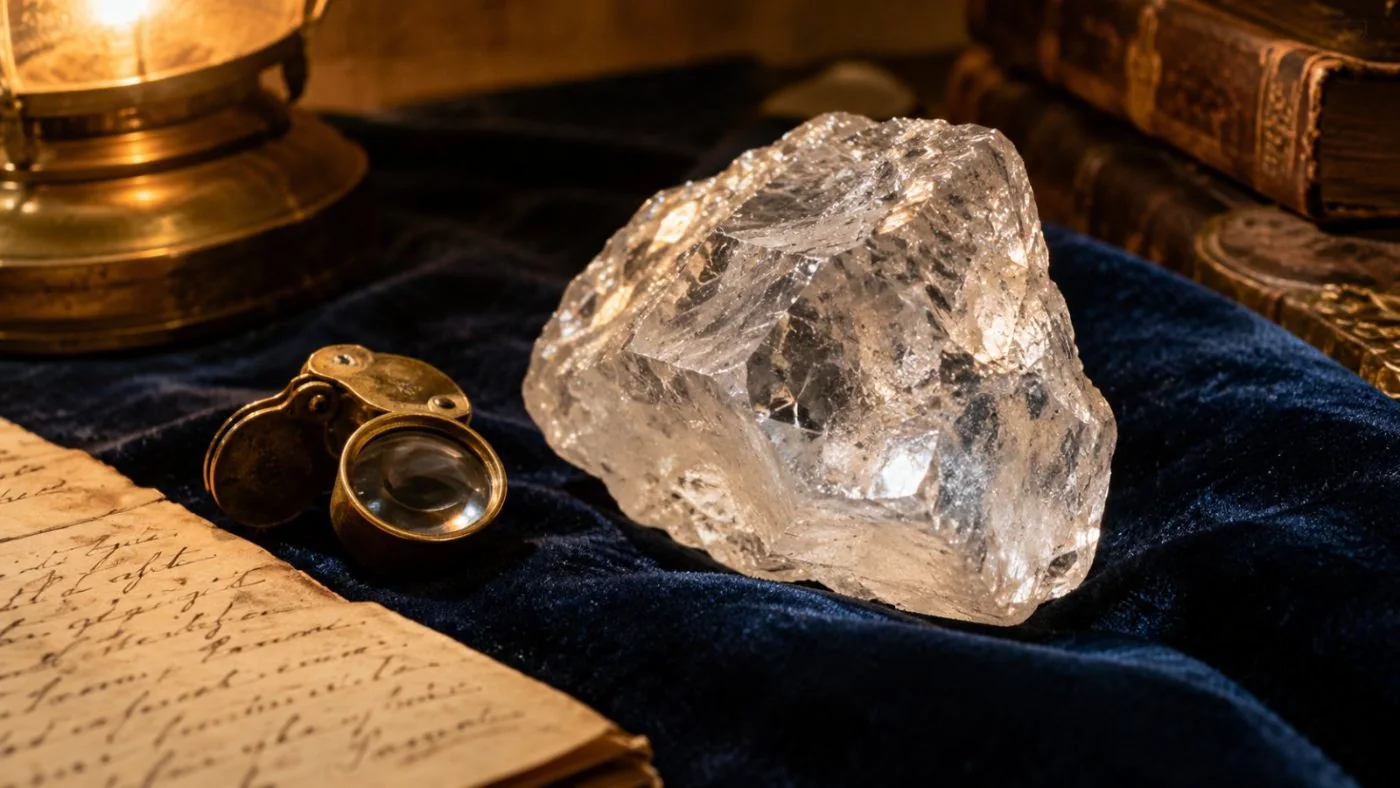
The Cullinan: 3,106 carats, the largest gem-quality rough diamond on record. The runner-up is a 2,492-carat stone found in Botswana in 2024.
Gem-quality is the key word. Black, porous carbonado from Brazil can weigh more, but it is not a gem. Among gem diamonds, 120 years on, nothing has beaten Cullinan:
| Rough diamond | Carats | Found | Mine |
|---|---|---|---|
| Cullinan | 3,106 | 1905 | Premier (Cullinan), South Africa |
| Motswedi | 2,492 | 2024 | Karowe, Botswana |
| Sewelô | 1,758 | 2019 | Karowe, Botswana |
| Lesedi La Rona | 1,111 | 2015 | Karowe, Botswana |
Sources: list of largest rough diamonds, 2024 press report. The full Cullinan story, from the evening Frederick Wells spotted it to the snapped blade in Amsterdam, is in the Cullinan Diamond history.
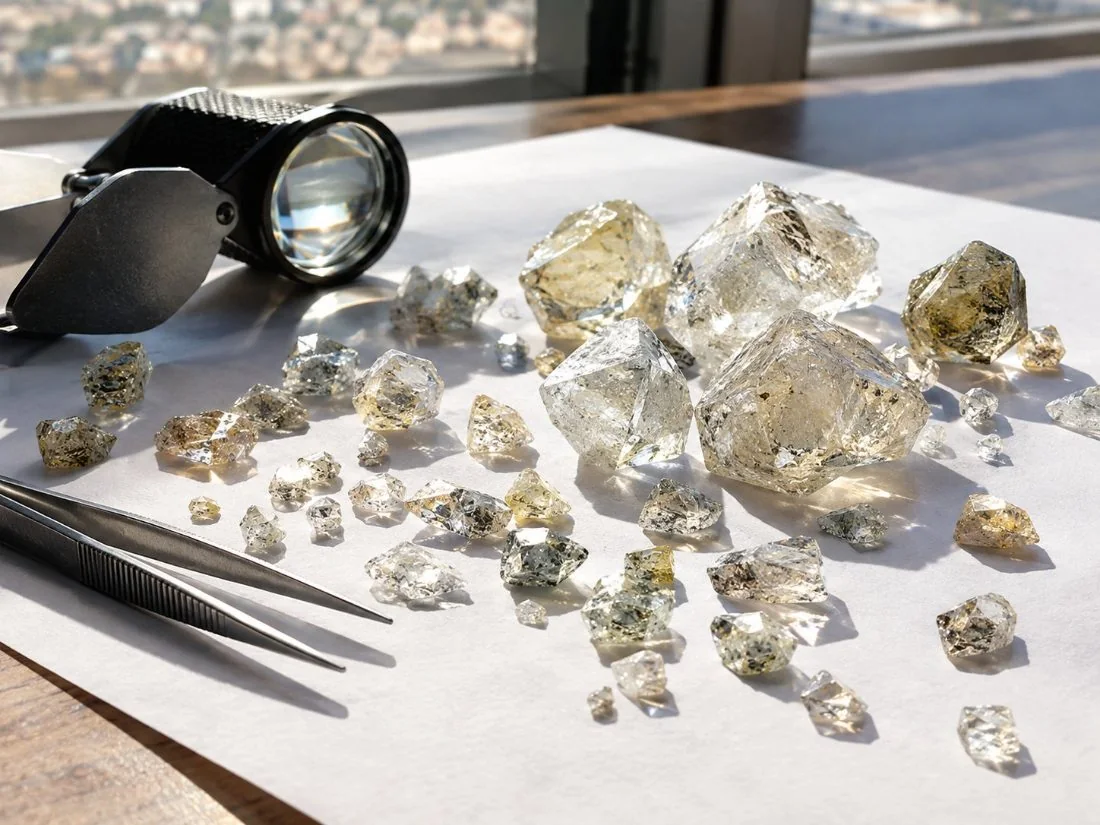
What is the biggest cut diamond in the world?
The Golden Jubilee, at 545.67 carats, also from this mine, held the title for decades. Cullinan I, at 530.2 carats, is the largest colourless cut diamond.
The Golden Jubilee is 15.37 carats heavier than Cullinan I (source), but it is yellow-brown. For a colourless stone, Historic Royal Palaces and GIA both name Cullinan I.
A newer claim: in November 2025 a Belgian firm presented the Black Falcon, a 612.34-carat black diamond from Guinea, as the largest cut diamond (press report). It is black, so the colourless and gem-quality records still belong to Cullinan stones.
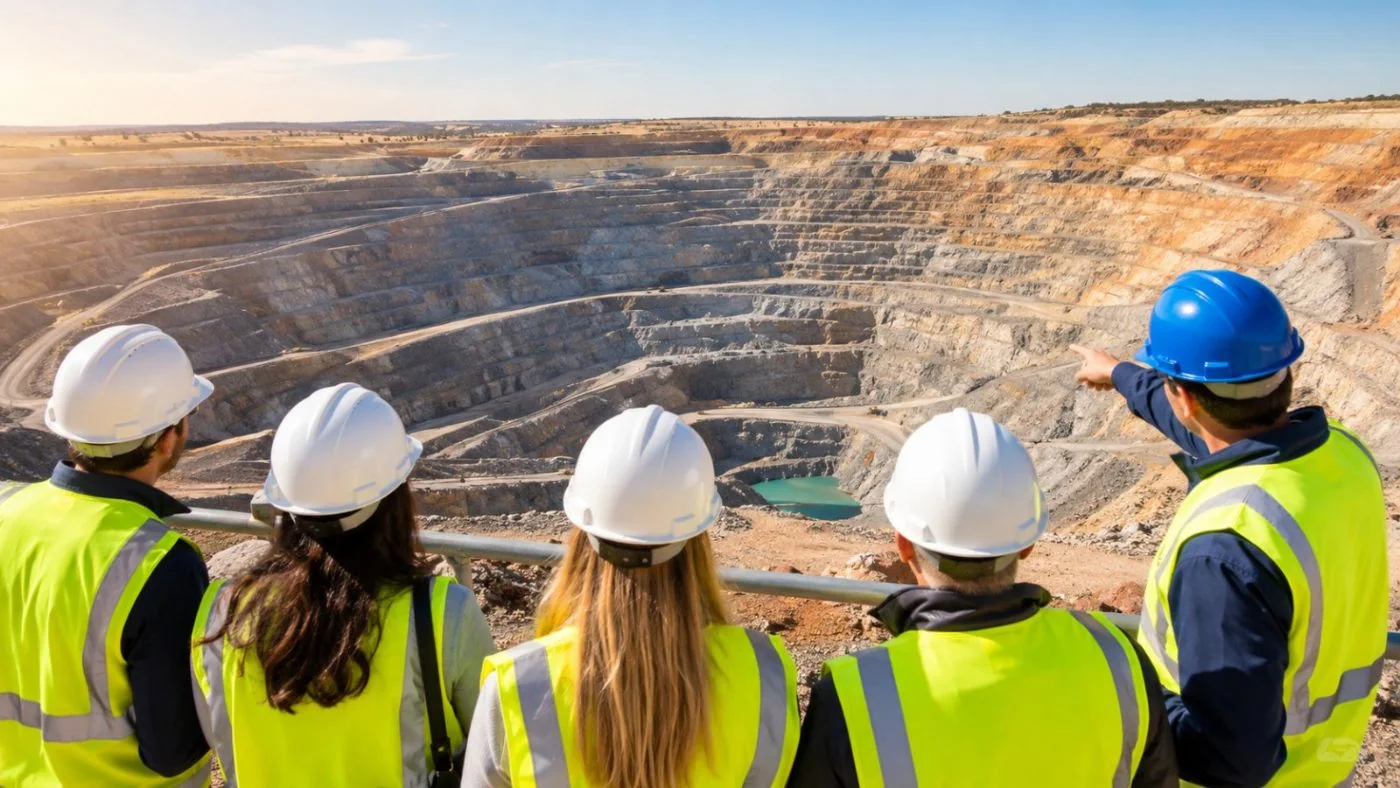
See replicas of these record stones and the mine that produced them, on a two-hour walk.
Check dates for the surface walking tourWho owns the biggest diamond?
Cullinan I belongs to the Crown, held by King Charles III as monarch, and sits in the Tower of London. The Golden Jubilee is held in the Grand Palace in Bangkok.
The Crown Jewels are not anyone's private property: the monarch holds them in right of the Crown, which is why Cullinan I and II are on show in the Jewel House. Cullinan III to IX are different. Elizabeth II inherited them as personal property, and they are now held privately by the Royal Family.
The Golden Jubilee was presented to King Bhumibol of Thailand and is held in the Grand Palace (source). The original Cullinan rough no longer exists as one stone, so nobody owns it.
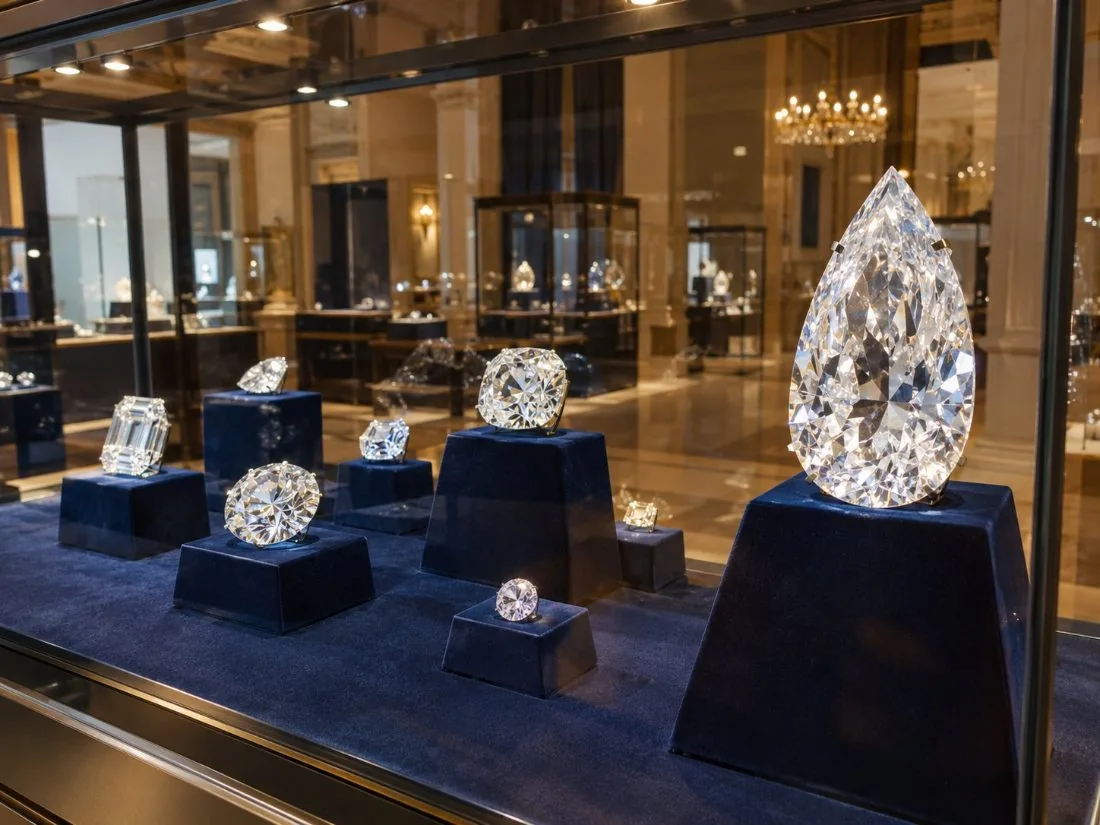
What are the Golden Jubilee and Centenary diamonds?
Two giants from the same mine, found a year apart: the 755.5-carat Golden Jubilee rough in 1985 and the 599-carat Centenary rough in 1986.
Gabi Tolkowsky cut the brownish Golden Jubilee rough into a 545.67-carat stone (source). The Centenary was found on 17 July 1986, cut to 273.85 carats with colour D, the top grade for whiteness, and unveiled in May 1991. Its current owner is not public (source). One list gives its rough as 275 carats; the stone's own records say 599.
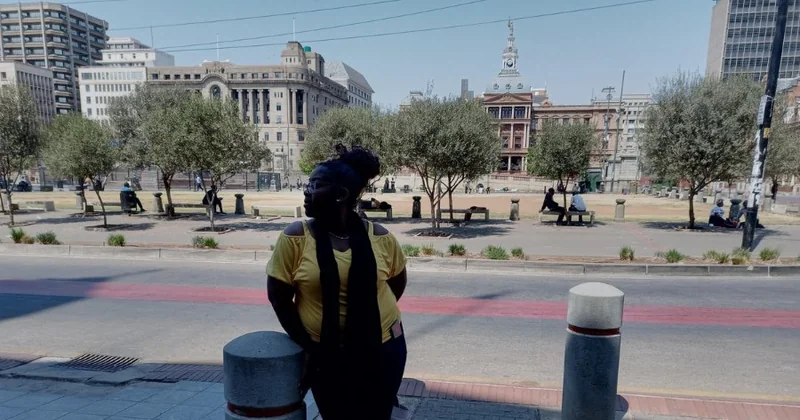
A private day from Pretoria: the city's landmarks, then the mine behind the Golden Jubilee and the Centenary.
Explore the Pretoria and Cullinan day Tour detailsDid Elizabeth Taylor's diamonds come from the Cullinan mine?
One did: the Taylor-Burton, a 69.42-carat pear cut from a 241-carat rough found at the Premier Mine in 1966.
Harry Winston cut it. At auction in New York on 23 October 1969, Cartier won it for US$1,050,000; Richard Burton, who had been outbid, bought it from Cartier the next day for about US$1.1 million. Taylor sold it in 1979, and Robert Mouawad has owned it since December 1979, recut to about 68 carats (source).
Her other famous stone, the 33.19-carat Elizabeth Taylor Diamond (the Krupp), is a different story. Its mine of origin is unknown, and it sold at Christie's in December 2011 for about US$8.8 million to the South Korean company E-Land (source).
What about the Premier Rose, the Niarchos and the other big whites?
The Premier Rose gave a 137.02-carat colourless stone, the Niarchos a pear of about 128 carats, and the mine still turns up 300 to 500-carat whites.
The Premier Rose rough weighed 353.9 carats and was mined in March 1978. Besides the main stone it gave the 31.48-carat Little Rose and the 2.11-carat Baby Rose; Robert Mouawad owns it. The Niarchos, a 426.5-carat rough found in 1954, was cut for Harry Winston into a pear of about 128 carats and bought by the shipowner Stavros Niarchos, according to gem references.
The run continues: a 507-carat white in 2009, sold in February 2010 for US$35.3 million, a record for a rough diamond at the time, and a 342.92-carat Type IIa white sold for US$10 million in 2021 (Petra).
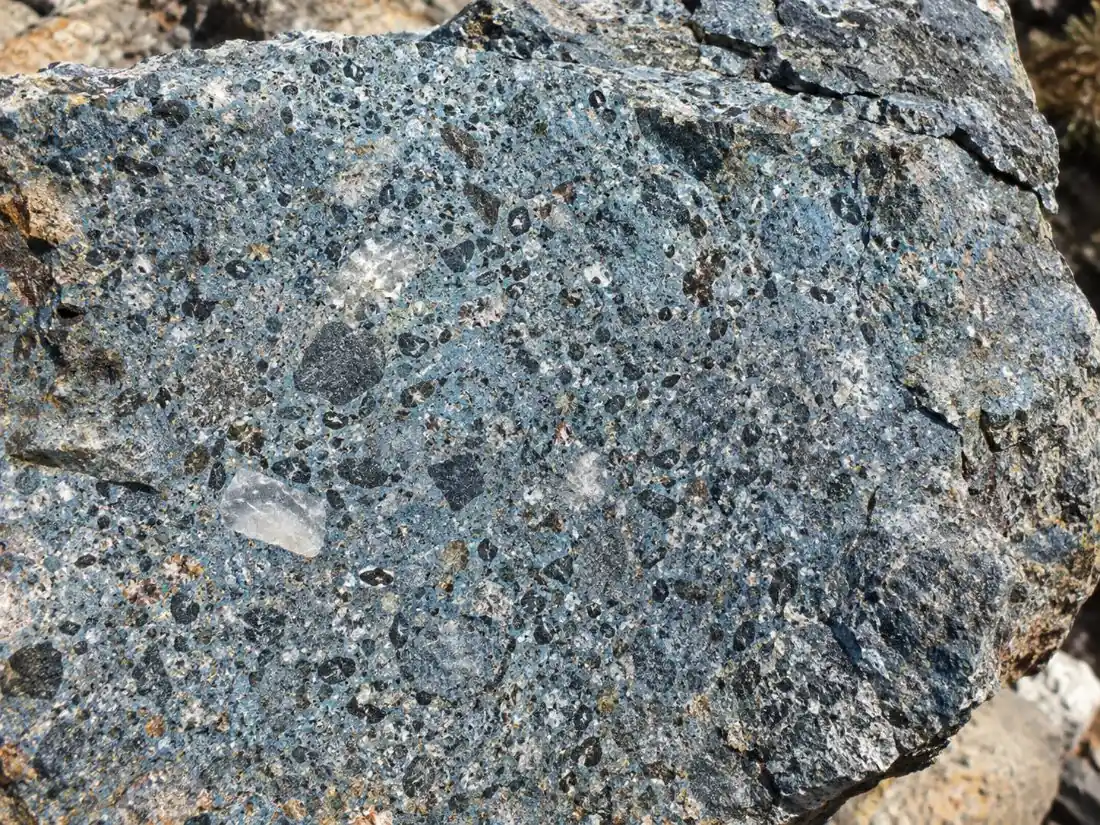
Why does the Cullinan mine produce so many blue diamonds?
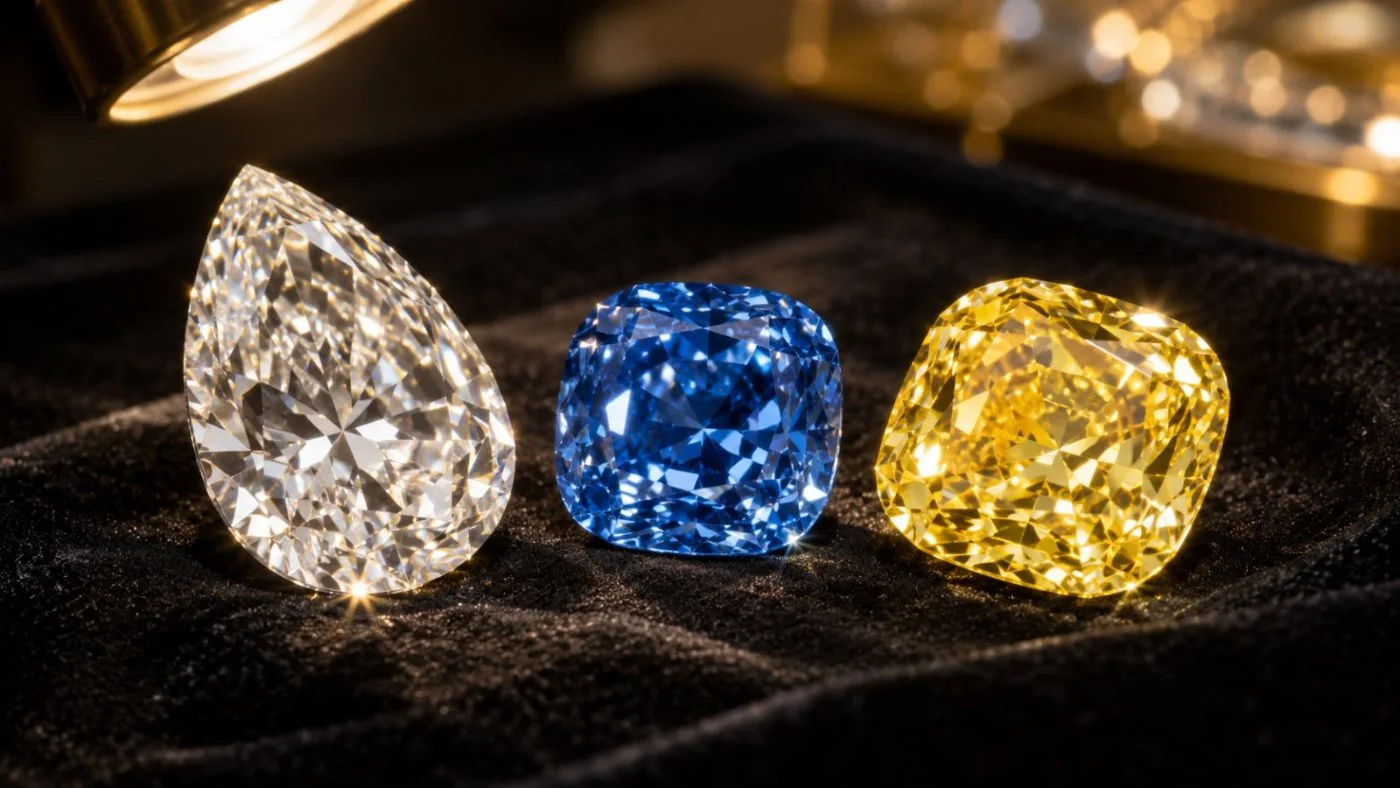
Its kimberlite carries Type IIb diamonds, coloured blue by boron. Petra calls Cullinan the world's most important source of them.
Earlier blues include 26.6 carats in 2009, 25.5 in 2013, 29.6 in 2014 and a 122.52-carat stone in 2014 (source). The 39.34-carat blue was recovered in April 2021 and sold that July for US$40.18 million to a De Beers and Diacore partnership (Rapaport).
The De Beers Cullinan Blue, a 15.10-carat Fancy Vivid Blue, Internally Flawless step cut, was found at Cullinan in April 2021 and sold at Sotheby's Hong Kong on 27 April 2022 for about US$57.5 million. The latest, a 41.82-carat blue recovered in December 2025, was sold by tender in 2026 at a confidential price (Petra). More in the blue diamond post.
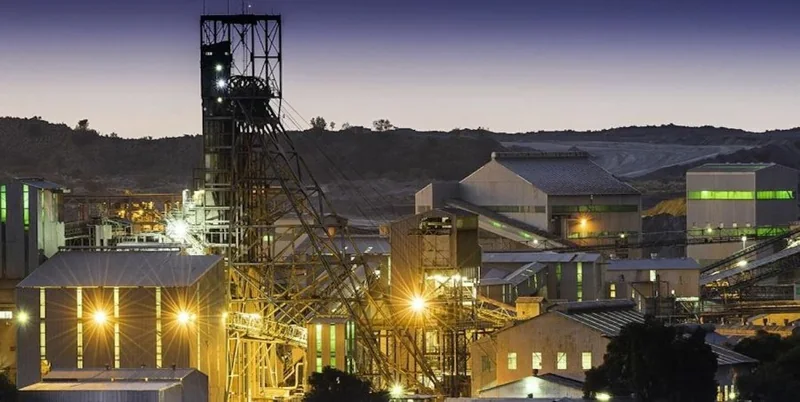
The display room holds replicas of famous stones, and the guide explains how the mine finds them.
Explore the surface walking tour Tour detailsFrequently asked questions
How many carats was the Cullinan Diamond?
3,106 metric carats, about 621 grams. Some pages say 3,106.75; the Royal Collection Trust and GIA use 3,106.
Is the Hope Diamond from the Cullinan mine?
No. The Hope Diamond came from India, centuries before the Cullinan mine opened in 1902. Cullinan's blues are the same rare type, Type IIb.
Can you see the famous Cullinan diamonds at the mine?
Replicas, yes: the surface tour includes a display room with copies of famous stones. The real Cullinan I and II are at the Tower of London.
Who owns the Taylor-Burton diamond today?
Robert Mouawad, who bought it in December 1979, shortly after Elizabeth Taylor sold it.
Ready to book
Choose your tour
Free cancellation up to 24 hours before on every option. Prices are from-prices in USD and move with the season.
Cullinan Surface Diamond Mine Walking Tour
- Guided surface walking tour, about 2 hours
- The Big Hole lookout and the shaft area
- Diamond display with replicas of famous stones

Royal Africa Diamond Mine Tour
A small-group surface tour with a history room and a heritage house
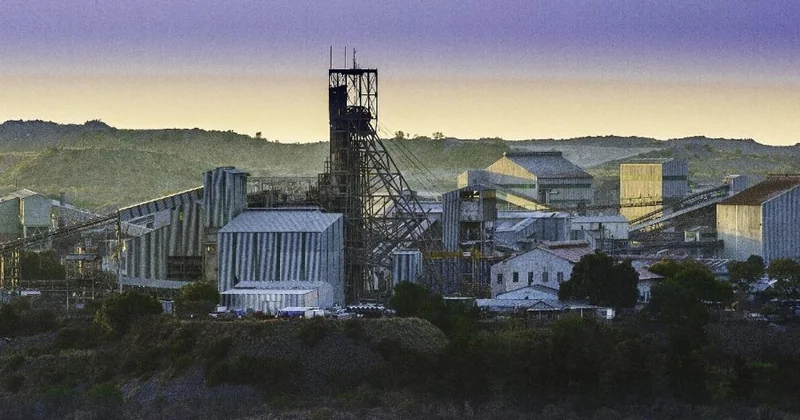
Cullinan Diamond Mine Surface Tour
Film, replicas, tunnel model, No. 1 Shaft and the Big Hole in 90 minutes