Booking choice: The surface walking tour, from $12 per person. Check dates Tour details
Diamonds made South Africa's modern economy, gave Kimberley its Big Hole and put a 3,106-carat stone in the British Crown Jewels. The reasons sit deep underground, in some of the oldest continental crust on earth.
This guide answers the questions visitors ask most, from the geology to the law on finding a diamond, and the honest version of the De Beers story.
The quick answer
South Africa sits on the Kaapvaal craton, an ancient block of continent with deep, cold roots where diamonds can form and survive. Diamonds grow 150 to 700 km down in the mantle, and kimberlite eruptions carried them up through pipes like those at Kimberley and Cullinan. De Beers no longer controls 90% of the world's diamonds; its share was about a quarter by 2021. And if you pick one up, the Diamonds Act states that you must hand it to the police.
Why is South Africa so rich in diamonds?
Because it sits on the Kaapvaal craton, an old, thick-rooted core of continent, and kimberlite eruptions brought diamonds up from beneath it.
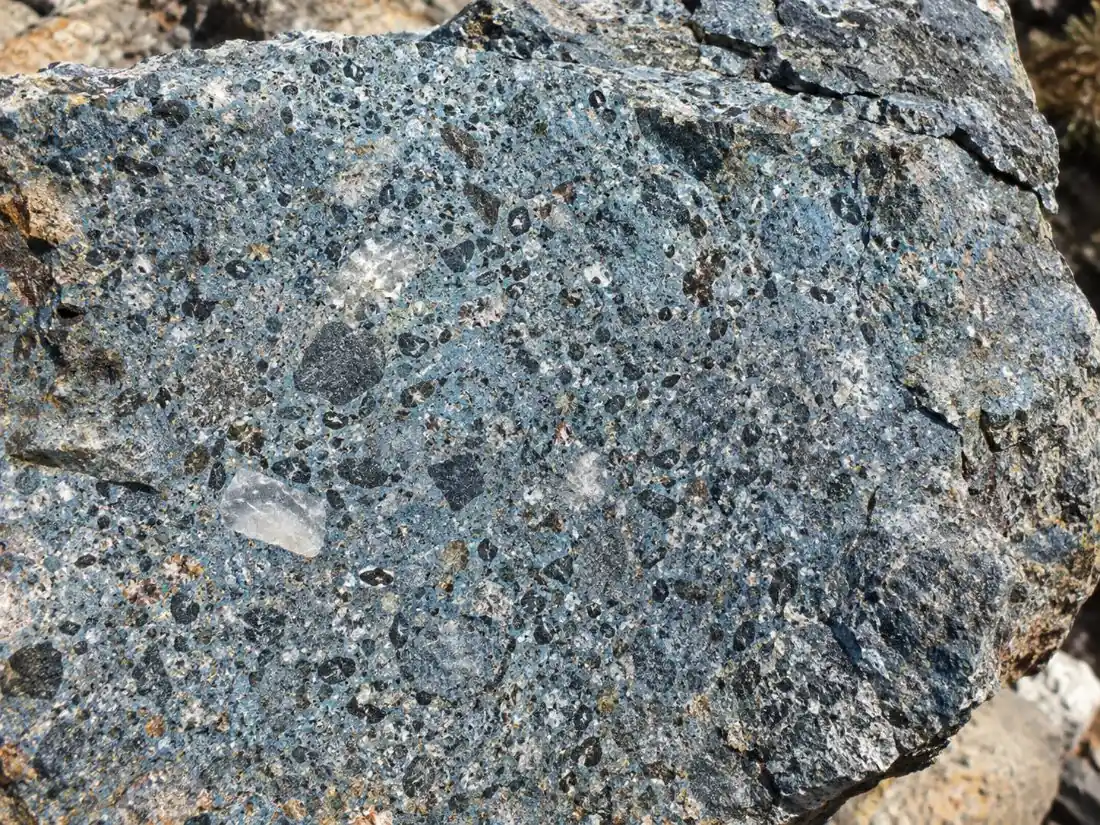
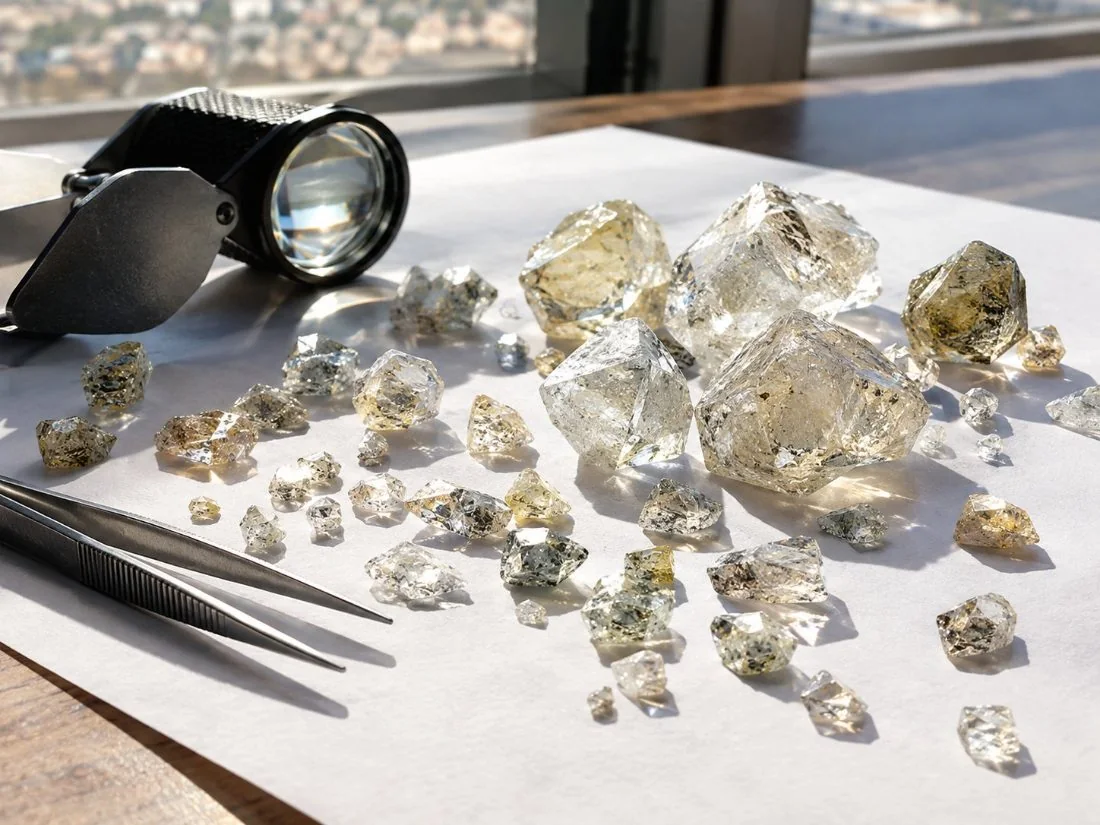
GIA explains the mechanism. Diamonds form 150 to 700 km down in the mantle. Kimberlite magma rises from those depths fast enough to carry them up without turning them to graphite, and kimberlites occur only beneath cratons, the ancient cores of continents with deep roots. South African diamonds come from the mantle beneath the Kaapvaal craton and are between 1 and more than 3 billion years old.
Erosion then did the rest. Diamonds weathered out of the pipes were carried by rivers, which is why the first South African finds were alluvial, in river gravels, before anyone knew what a kimberlite pipe was (Mining for Schools).
What is kimberlite, and where are the diamond pipes?
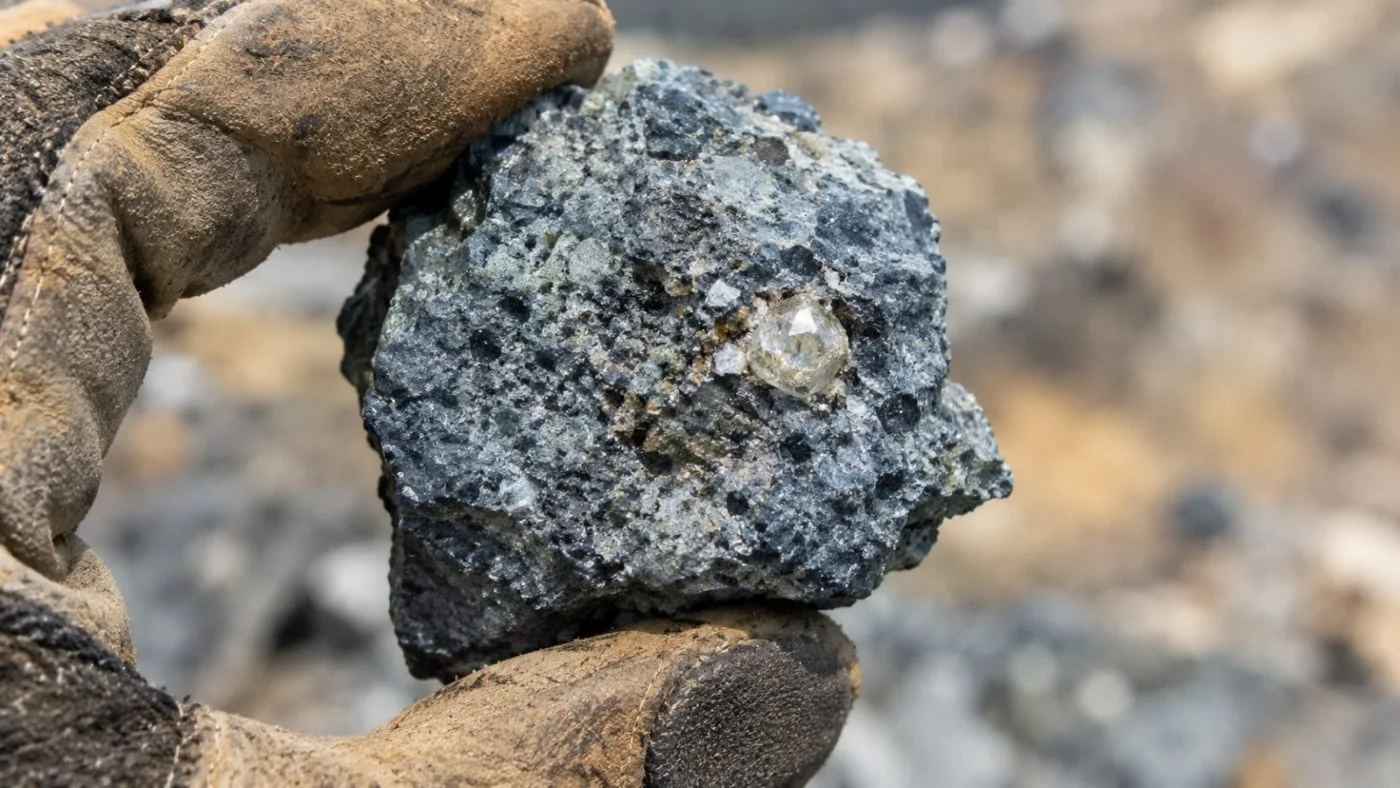
Kimberlite is the volcanic rock that carries diamonds up. It is named after Kimberley, where the first pipes were mined; the Cullinan pipe east of Pretoria is another.
Miners called it blue ground for its grey-blue colour. A pipe is a vertical, carrot-shaped body of it. At Cullinan the pipe is about 860 by 400 m at surface and covers 32 ha, narrowing with depth (SAIMM). About 300 m of the original pipe has already eroded away.
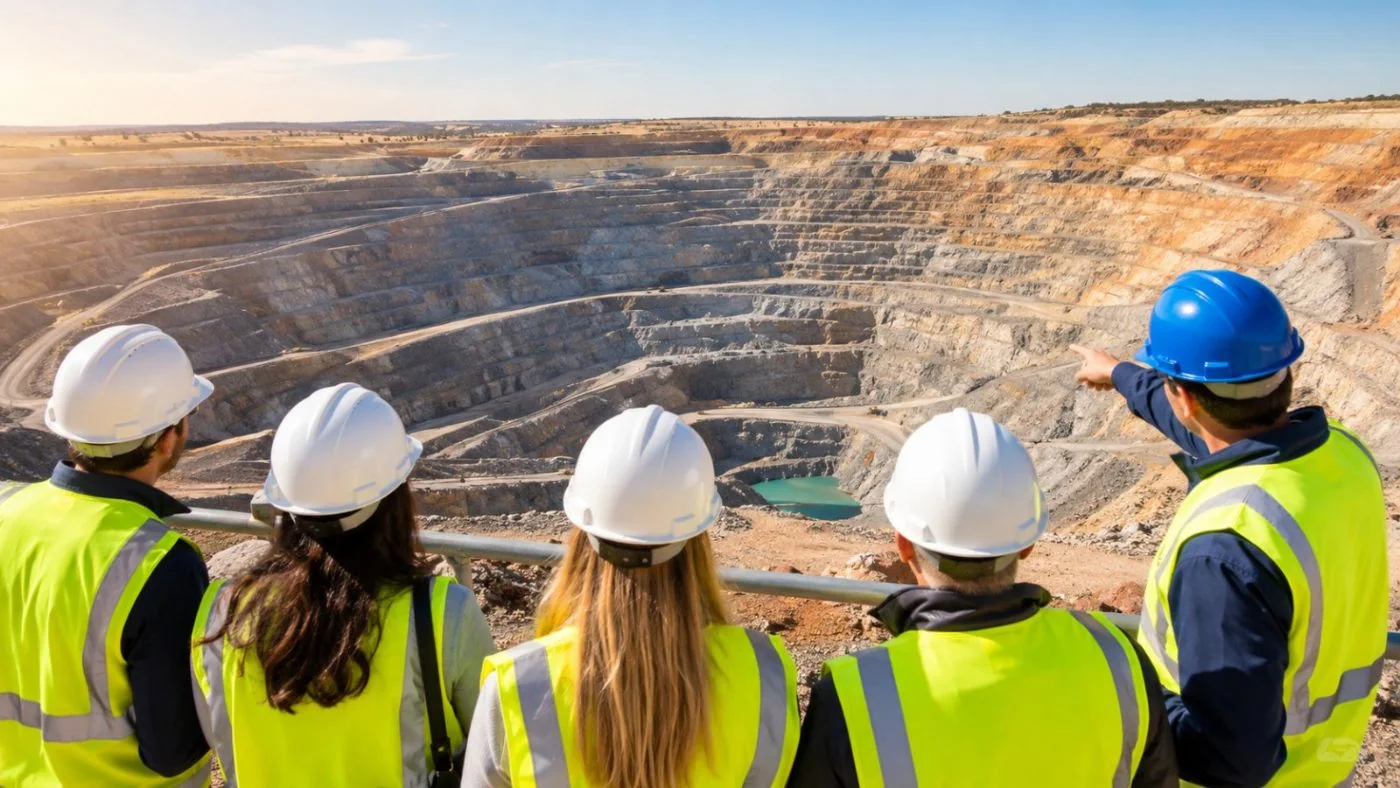
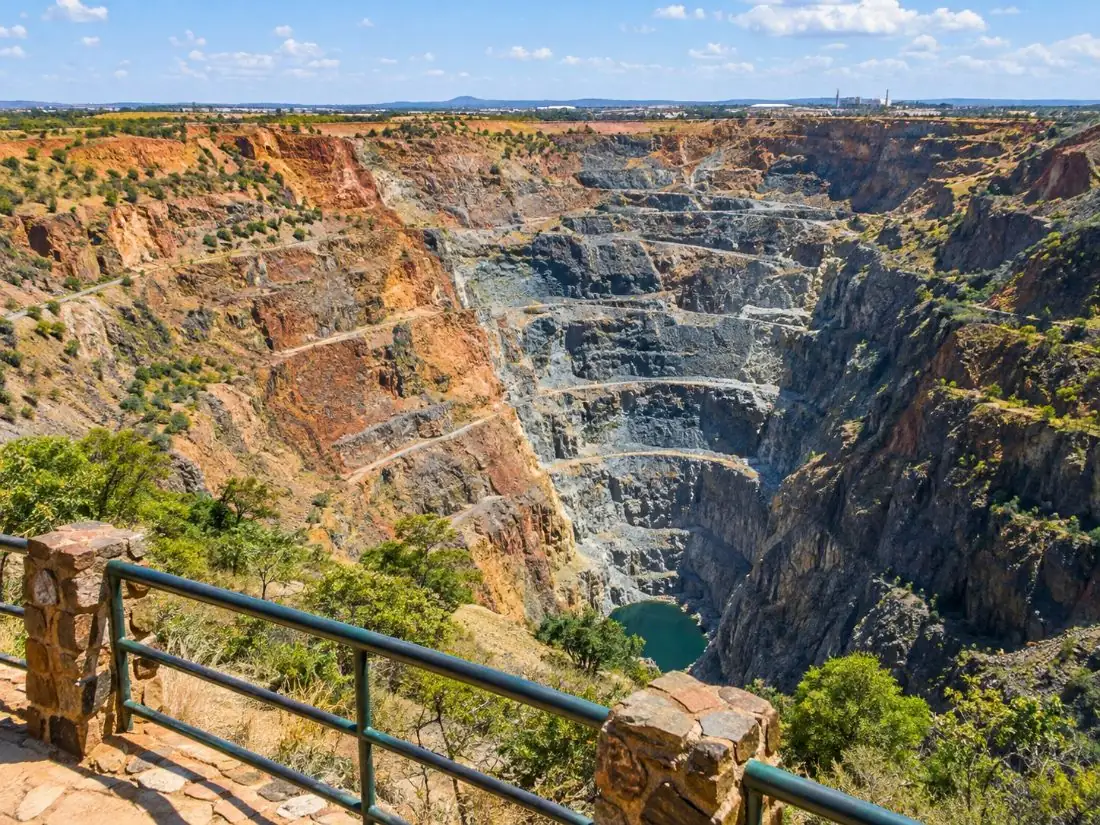
You can see one from the rim: the Big Hole lookout at Cullinan stands over the open pit mined into its pipe. Is the Cullinan mine still active? has the depths.
See a kimberlite pipe from the rim: the Big Hole lookout is part of the surface walking tour.
Check dates for the surface walking tourHow did the South African diamond rush start?
With the Eureka, found in 1867 by 15-year-old Erasmus Jacobs near Hopetown. The 83.5-carat Star of South Africa followed in 1869, and in 1871 came the finds that made Kimberley.
The 1871 discoveries became the De Beers Mine and the Kimberley Mine, the hole that grew into Kimberley's Big Hole (source). Rival claims and companies were merged until, on 12 March 1888, De Beers Consolidated Mines was founded, with Cecil Rhodes as chairman. Mining at Kimberley stopped when the First World War broke out in 1914, and the Big Hole never reopened.
Cullinan came later. The Premier Mine was registered in 1902, and the Cullinan Diamond turned up there in 1905: the full story is in the Cullinan Diamond history.
Does De Beers own 90% of the world's diamonds?
No, not today. De Beers controlled roughly 80 to 85% of rough diamond distribution for most of the 20th century, but its share was about a quarter by 2021.
The 90% figure is history. De Beers' share of rough sales, from Wikipedia:
| Period | De Beers share of rough diamonds |
|---|---|
| Most of the 20th century | About 80 to 85% |
| 1980s | Near 90% at the peak |
| 2000 | 63% |
| 2019 | About 29.5% |
| 2021 | About 25%, level with Russia's Alrosa |
De Beers is itself changing hands. Anglo American owns 85% and Botswana 15%, and Anglo has been trying to sell its stake since 2024. In July 2026 Engineering News reported talks with a consortium led by former De Beers chief executive Gareth Penny, with no deal guaranteed. De Beers sold the Cullinan mine to a Petra-led group back in 2008.
From Johannesburg: the mine De Beers sold in 2008, then Pretoria's monuments, in one day.
Check dates for the full day from JohannesburgWhat happens if you find a diamond in South Africa?
The Diamonds Act states that you must take it straight to the nearest police station. Keeping an unpolished diamond without a licence or permit is prohibited.
Two sections of the Diamonds Act 56 of 1986 cover it. Section 18 prohibits possessing an unpolished diamond unless an exception applies, such as a licence or permit. Section 25 states that anyone who finds one by chance must forthwith take it to the nearest police station and hand it to a SAPS member of the rank of sergeant or higher. The Act may have been amended since, and this is not legal advice.
On the mine tour you won't be tempted: a group visiting in 2025 was told not to pick up any rocks (source).
Is it cheaper to buy diamonds in South Africa?
There is no proof that it is. What is certain: foreign visitors can claim back the 15% VAT on goods worth more than R250 in total, taken out of the country within 90 days of the invoice.
The SARS VAT refund scheme for tourists is run by the VAT Refund Administrator, with desks at OR Tambo, Cape Town and King Shaka airports. Keep the original tax invoice, and present yourself and the goods to Customs when you leave; the R250 minimum is the total bought on one visit.
Beyond that, compare like with like. Ask for a grading report from a recognised laboratory and compare it with the same grade at home before you decide a price is good. The tour ends at a jewellery shop, the village has the Diamond Hub, and the mine and diamond shop day adds visits to local diamond dealers. None of them obliges you to buy.
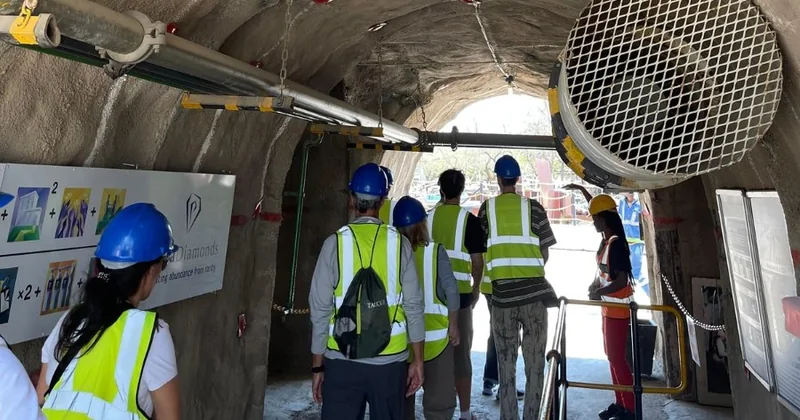
The mine, a walk through Cullinan village and a visit to local diamond dealers, with transport from Johannesburg.
Explore the mine and diamond shop day Tour detailsWhat is the biggest or richest diamond mine in the world?
By value, Jwaneng in Botswana is described as the richest. Cullinan is not the biggest by output; it is famous for large and blue stones.
Mining.com called Jwaneng the richest diamond mine in the world by value in 2019; Debswana, a 50/50 venture of De Beers and Botswana's government, runs it. Rankings by carats differ and change, with Russian mines and Botswana's Orapa usually near the top.
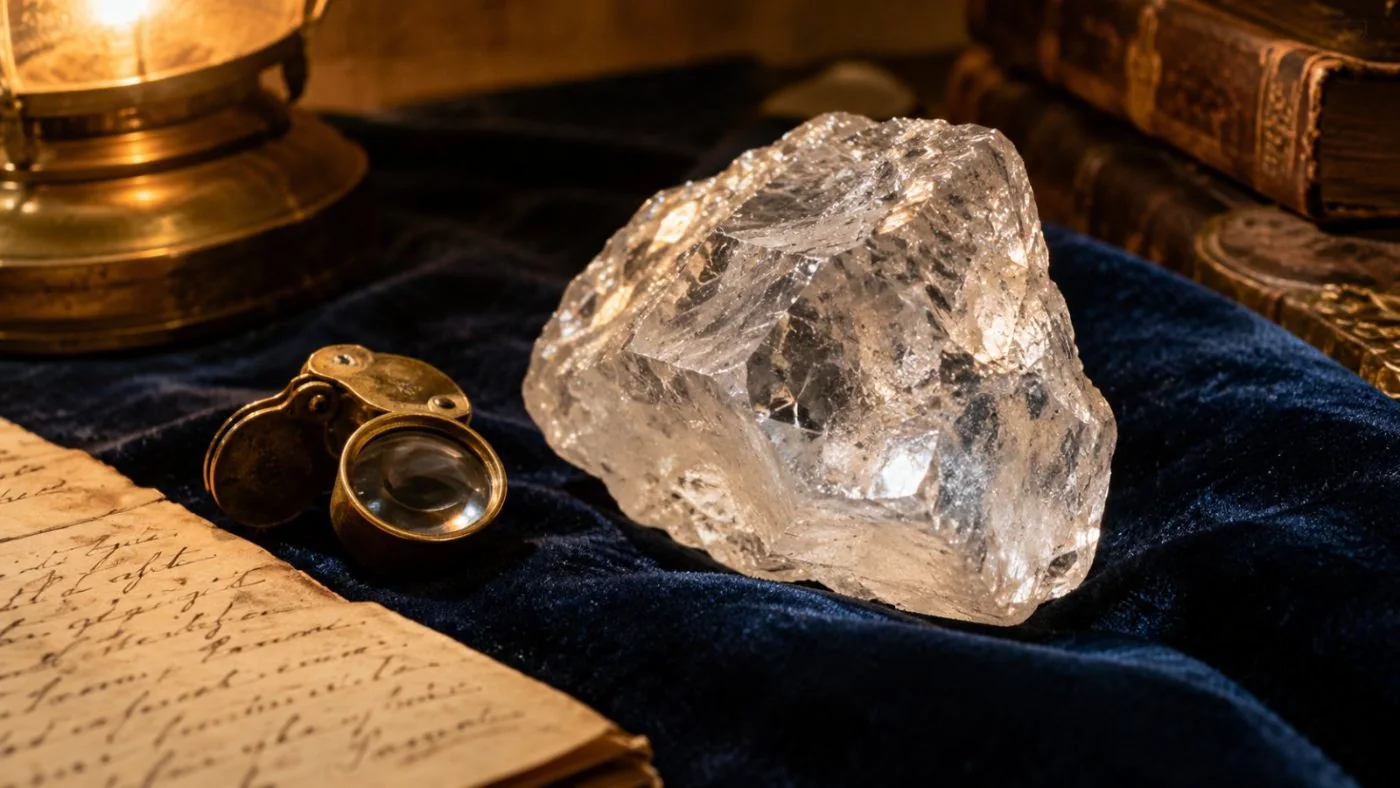
Cullinan produces about 1.4 million carats a year, modest by those standards. Its record is in the big stones: more than 750 over 100 carats, and the largest gem-quality rough ever found. See the famous diamonds guide.
Can visitors see a diamond mine in South Africa?
Yes. Cullinan, east of Pretoria, runs surface tours of a working mine, and Kimberley's Big Hole is a historic site.
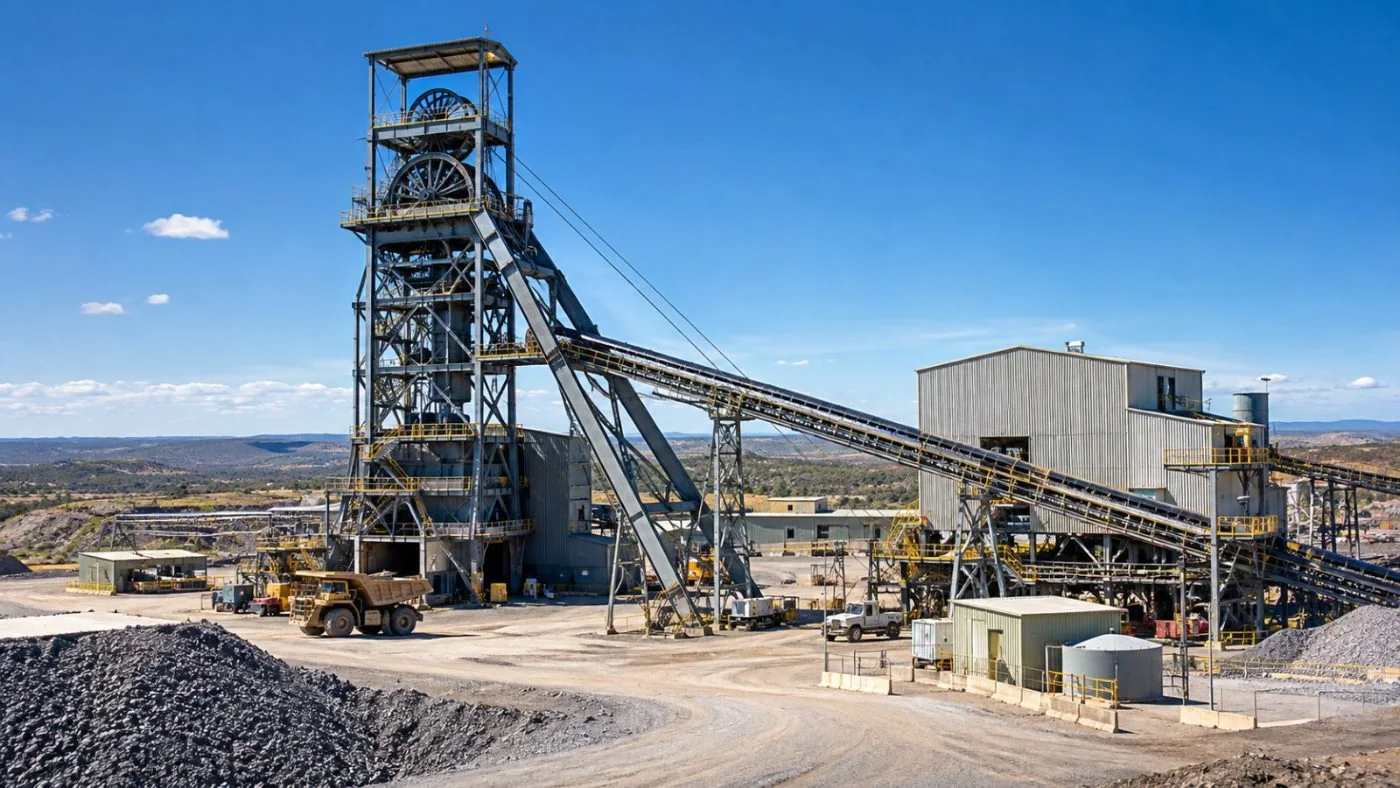
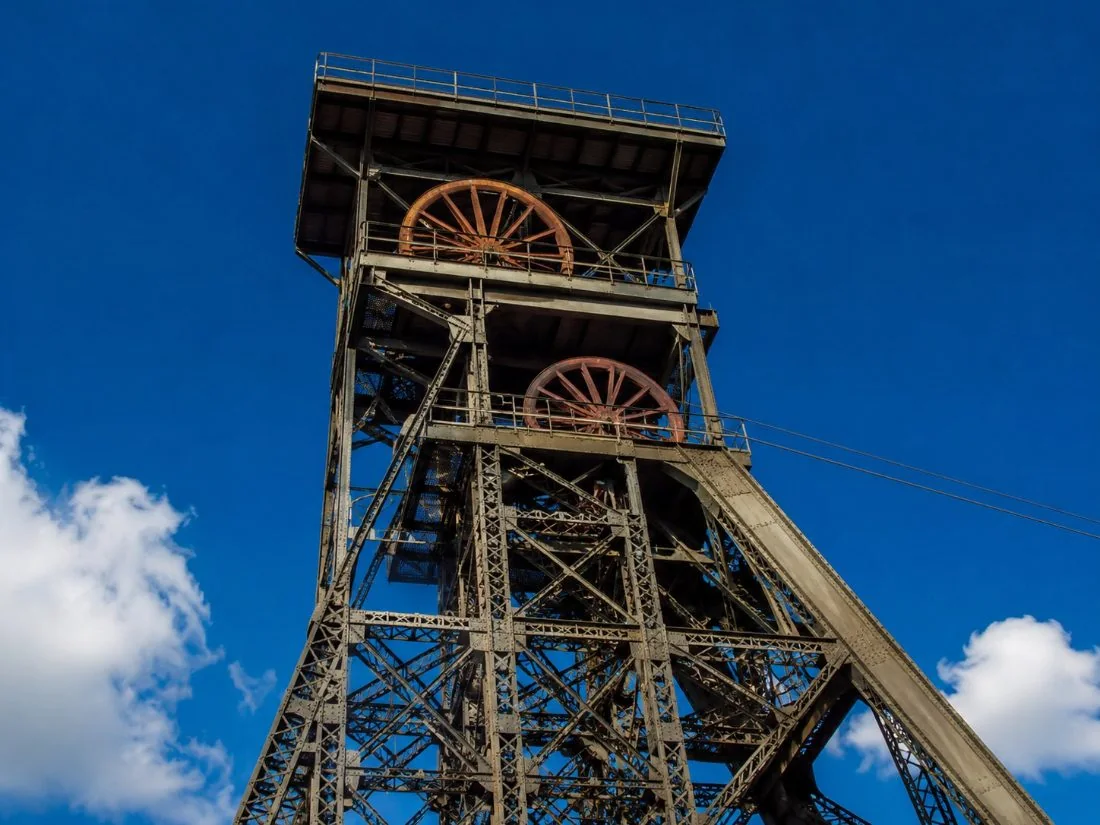
Cullinan is the one where diamonds are still being mined. The tour shows the shafts, a replica diamond room and the Big Hole lookout, over a pit South African Tourism describes as about three times the size of Kimberley's. Underground visits stopped in 2023: the underground tour guide explains.
From Johannesburg or Pretoria it makes an easy day; the day trip guide covers the route and the tours with pickup.
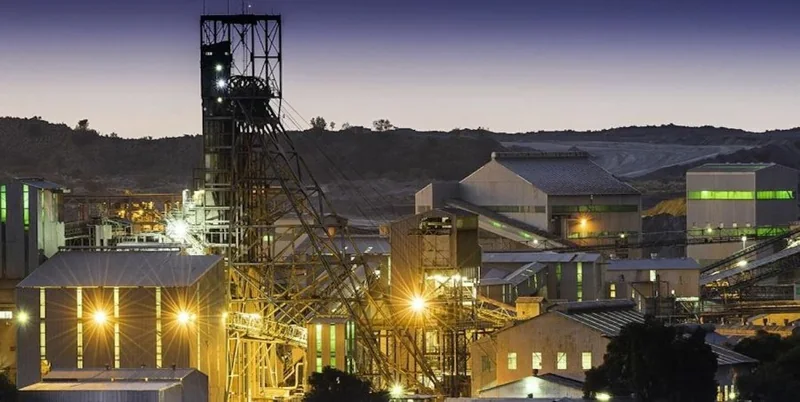
A working diamond mine on foot: the film, the shafts, the replica room and the Big Hole lookout, about two hours.
Explore the surface walking tour Tour detailsFrequently asked questions
Who discovered diamonds in South Africa?
Erasmus Jacobs, aged 15, found the Eureka diamond near Hopetown in 1867. The Star of South Africa followed in 1869.
Can tourists keep a diamond they find in South Africa?
No. The Diamonds Act states that a diamond found by chance must be handed in at the nearest police station. This is not legal advice.
Does South Africa still mine diamonds?
Yes. The Cullinan mine east of Pretoria is one working example, producing about 1.4 million carats a year.
Is De Beers a South African company?
It was founded in Kimberley in 1888. Today Anglo American owns 85% and Botswana's government 15%, and Anglo is in the process of selling its stake.
Ready to book
Choose your tour
Free cancellation up to 24 hours before on every option. Prices are from-prices in USD and move with the season.
Cullinan Surface Diamond Mine Walking Tour
- Guided surface walking tour, about 2 hours
- The Big Hole lookout and the shaft area
- Diamond display with replicas of famous stones
Full Day Cullinan Mine & Diamond Shop
The mine, a walk through the village and a visit to diamond dealers
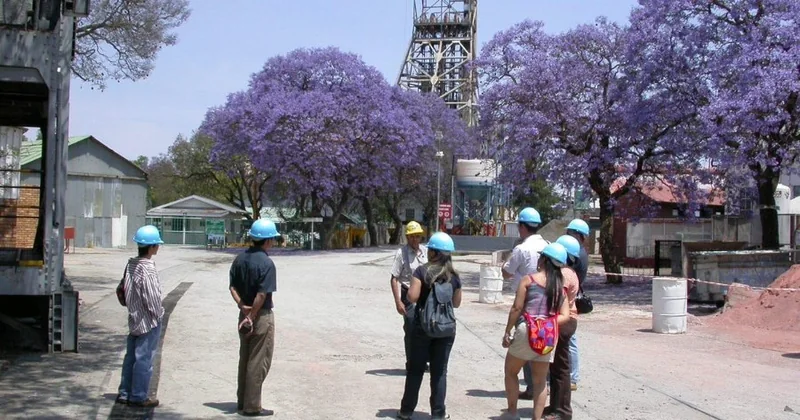
Cullinan Diamond Mine & Pretoria Full Day
- Transport from Johannesburg with a guide
- Cullinan mine surface tour
- Voortrekker Monument and the Union Buildings